
Life After "Famesick"
Disabled catharsis and EDS awareness.

I just finished Lena Dunham‘s Famesick on audio. The memoir has taken over my Substack and Instagram feeds, been namedropped in countless celebrity interviews. Each time, I find myself repeating the same thought in disbelief, “THE book to read right now is about Ehlers Danlos Syndrome.”
It’s about a lot of other things too, of course. It’s about the private self and the public self and the effort to embody both authentically. It’s about Girls, the unflinching masterpiece that is only getting better with age. And it’s about everything that chronic illness robs from you. The coping mechanisms you develop like anti-theft insurance, which you pay into and you pay into and your shit still gets stolen anyways.
I was diagnosed with EDS at 10-years old, but I wasn’t symptomatic until the last few years. My mom, however, was disabled by it for most of my childhood. I spent a decade avoiding the topic. When a friend would ask why she spent her days in bed, I would say some version of, “She has back pain, it’s weird, let’s not talk about it.”
We know now that long covid has awoken many dormant illnesses and conditions, as was the case for me. Since 2023, I have been slowly gathering chronically ill and disabled friends like precious little morsels – many of whom have had similar experiences. Meanwhile, my able bodied social circles have all but withered and died.
I’ve lost the tolerance for explaining myself over and over. And I’m guessing that most people have lost the will to call me yet again, to ask how I’m doing and receive a laundry list of new injuries. And I can’t blame them. When I was a normal girl watching my mother struggle, I too wanted to forget it, to pretend it wasn’t happening.
Dunham and I have had different experiences of EDS. We’re all unique little snowflakes in the ways that our pain shreds us to bits. Still, I feel that I am being offered the privilege to step back, let someone else do the educating. Not just about the genetics and the technical terms but about the relentless living you do in between appointments.
In a very real way, I can feel the potential for my life, for my everyday interactions, expanding. Every reader is a person who I could theoretically run into, who I could talk to about EDS and it won’t be a foreign concept. Someone who will say, “I have heard of that! I read Famesick.” And then we will have a literary discussion instead of a clinical one about everything that’s wrong with my body.
There are two routes I often see young, disabled people go down. The first is a perpetual cycle of blowout and burnout. The crashes are rock bottom, but they are determined to keep living their lives. I would put Dunham into this camp. Personally, I have taken the other path – putting fun and joy on indefinite pause, becoming incredibly risk averse (though I have sustained more injuries from well-meaning health workers than I have from having fun). Somehow, I still manage to crash just as hard.
Famesick gave me a rundown of the road not taken. Neither is right or wrong, but one of them stakes a claim on the world, says “This is the body I have today, let’s see what it can do.” The other tucks itself away and waits for the phantom “tomorrow body.”
I do not envy Dunham’s pain. The routine ER trips and surgeries all under the particularly vile public scrutiny of the 2010s. But I do envy her nerve. Whatever synapse she possesses which allows her to make choices more out of desire than fear.
I am aware that the idea of a “perfect patient” is a myth, an impossible ideal. Yet I find myself clinging to it, like it will protect me from blame, from the messy mishaps of healing. Frankly, it was freeing to see Dunham make unhinged decisions.
Famesick is a rebellion from the healing journals and the nervous system retraining, from the supplement schedules and exercise routines. There are other ways to get your light back.
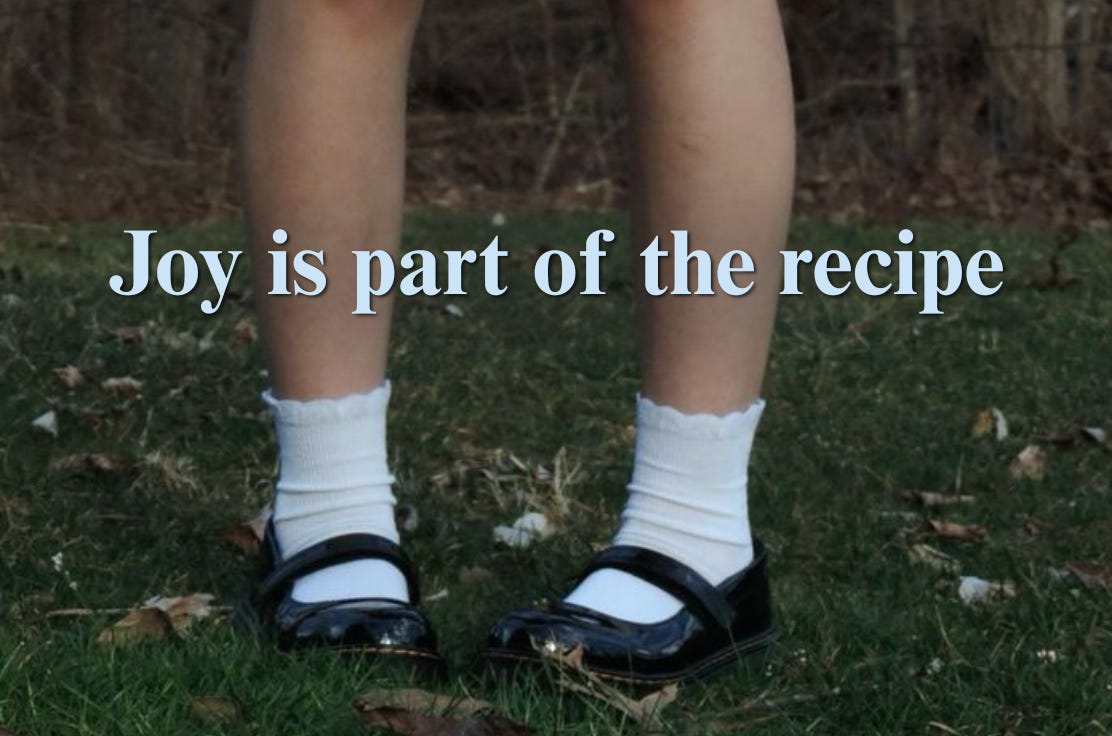
Joy is part of the recipe. It’s not just about avoiding pain in any and all forms. Everything worth it will hurt you at some point1, and I guess that means my body is more worth it than anything.
Life after Famesick is not a cure, but a loosening. That white-knuckle deathgrip I have held on my “tomorrow body,” on the “perfect patient” routine.
This is the first article in which I have named my disability, not hiding behind any poetry. On Instagram, I reshared Miss Dunham’s post about EDS. Everyone I went to high school with knows my dirty secret, and I can’t seem to give a shit because of the few people who engaged in a curious or commiserative conversation with me.
I invited a friend over to come watch TV and make art in my bed, the first person I have let into my room for months since I sustained a new, obscure injury. I have walked a little further on an aching knee because it was worth it to feel the sunshine. To see my grandmother and then cry myself to sleep because I am so scared to lose her. To remember there is loss in my life that is completely out of my control. But armed with the wisdom of women who know pain, we keep it pushing. A little more storied. A little less lonely.
EDS babes let me clear, I am not advocating that you ignore/push through pain! I am speaking metaphorically as well as physically here. Everything is transient, so everything we love will involve some kind of loss. Pain is an important communication from your body. But you can learn overtime what your threshold is, what is a risk to your health and what is a manageable discomfort, worth it to get out into the world and live a little. I tend to err on the side of major caution, and I am trying to learn that not every ache and anxiety requires me to be glued to my bed. If you lean towards overdoing it, this insight might not resonate for you.
Liv, this is so gorgeous - and means the world to me. I hope you are surrounded by love, understanding and gentleness. Thank you for this, it gave me so much hope!
I’m so sorry you have to deal with this. 🥺 I didn’t know anything specific about EDS so I had to look it up. It sounds scary and painful.
I do understand the dilemma of living your life vs playing it safe from a health standpoint, though not in the exact same way as you. I have myotonic dystrophy, which is not similar to what you have, but often leads to the same result of mechanical injuries that lead to disability.
I was diagnosed at 40, after learning my siblings have it (our dad definitely had it, but was undiagnosed and passed from another illness). I haven’t had any serious injuries due to it yet, but it’s definitely starting to slow me down and I’ve had falls.
In terms of living my life to the fullest, it’s definitely a huge barrier to me being transgender. I came out only recently, after learning about the diagnosis, and mostl of my specialists have next to no info about how my condition will react to hormone replacement therapy, but the general consensus is that it will make things worse. So I’m presently stuck in a limbo of sorts trying to decide what to do.
I wish there was something I could do or say to help, but you’ve been struggling with this longer and harder than I have. I guess we just have to figure out and learn to live with our limits, play the long game, and do the best that we can.
Thank you for sharing this. *hugs*